
Renew-V and You!Medical Conditions & Their Effect on Your Vagina-Articles
Primary Sjögren’s Syndrome
This autoimmune disorder leads to dry mucous membranes, including vaginal dryness, due to reduced secretions. The condition is associated with inflammation and vascular dysfunction, which can be exacerbated by interferon-mediated pathways.
Atrophic Vaginitis
Atrophic vaginitis refers to inflammation of the vaginal walls due to low estrogen levels, leading to symptoms such as dryness, itching, and pain during intercourse. This can be caused by a variety of medical factors but is most common in postmenopausal women.
Chronic Vaginal Atrophy
Chronic vaginal atrophy is characterized by persistent vaginal dryness, itching, and pain due to prolonged low estrogen levels. It can increase susceptibility to infections and affect sexual function. Management includes hormonal and non-hormonal therapies. postmenopausal women.
Vaginal dryness is not limited to women experiencing menopause
Women of all ages experience vaginal dryness for a multitude of reasons.
Medications and Hormonal Contraceptives
Some hormonal contraceptives, particularly low-dose estrogen forms (like certain IUDs, implants, or birth control pills), can result in lower estrogen levels in the body. For some women, this can cause vaginal dryness and discomfort, especially with long-term use. Certain medications can impact hormone levels or cause dryness as a side effect. These include antidepressants (SSRIs), antihistamines, and medications for autoimmune diseases. These medications may cause vaginal dryness due to their impact on hormonal balance or mucous membrane function.
Eating Disorders/Malnutrition
Conditions like anorexia nervosa or other forms of severe malnutrition can lead to significant hormonal disruptions, including low estrogen levels. Estrogen deficiency from poor nutrition can cause vaginal atrophy and dryness.
Surgical Menopause or Oophorectomy
Surgical removal of the ovaries (oophorectomy) or a hysterectomy (especially with the removal of ovaries) can result in an immediate drop in estrogen levels, inducing menopause-like symptoms. Sudden estrogen loss can lead to vaginal dryness and atrophy in younger women.
Chemotherapy or Radiation Therapy
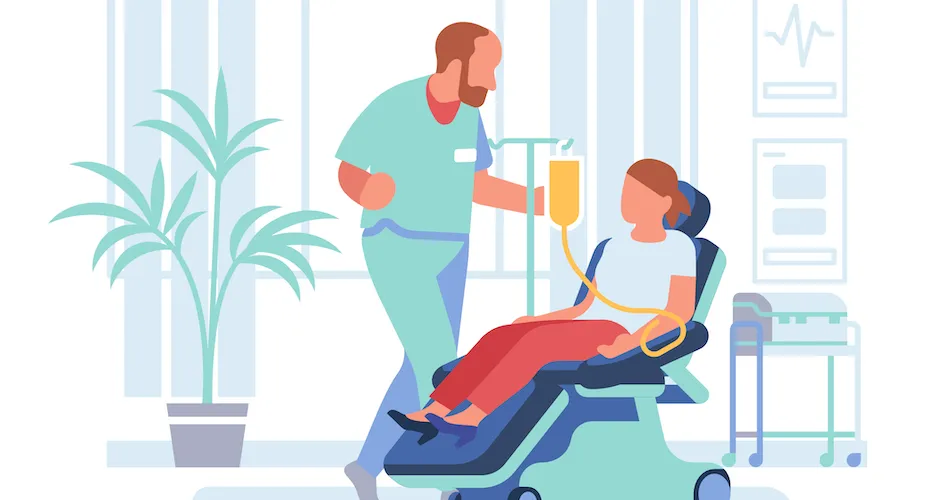
Cancer treatments like chemotherapy or radiation, especially when they target the pelvic region, can damage the ovaries or disrupt hormonal production. These treatments can result in estrogen deficiency, leading to vaginal dryness and thinning of the vaginal tissue.
Source – MacBride, M. B., & Stewart, D. E. (2010). Vulvovaginal atrophy. Mayo Clinic Proceedings, 85(1), 87–94. https://www.ncbi.nlm.nih.gov/books/NBK559297/
Source – Sood, A., & Gupta, R. (2023). Vaginal dryness. In StatPearls. StatPearls Publishing. https://www.ncbi.nlm.nih.gov/books/NBK564341/
Source – Woods, N. F. (2012). An overview of chronic vaginal atrophy and options for symptom management. Nursing for Women’s Health, 16(6), 482–493. https://doi.org/10.1111/j.1751-486X.2012.01776.x